Members Area: Click Here

  • Calcium – HOW MUCH?

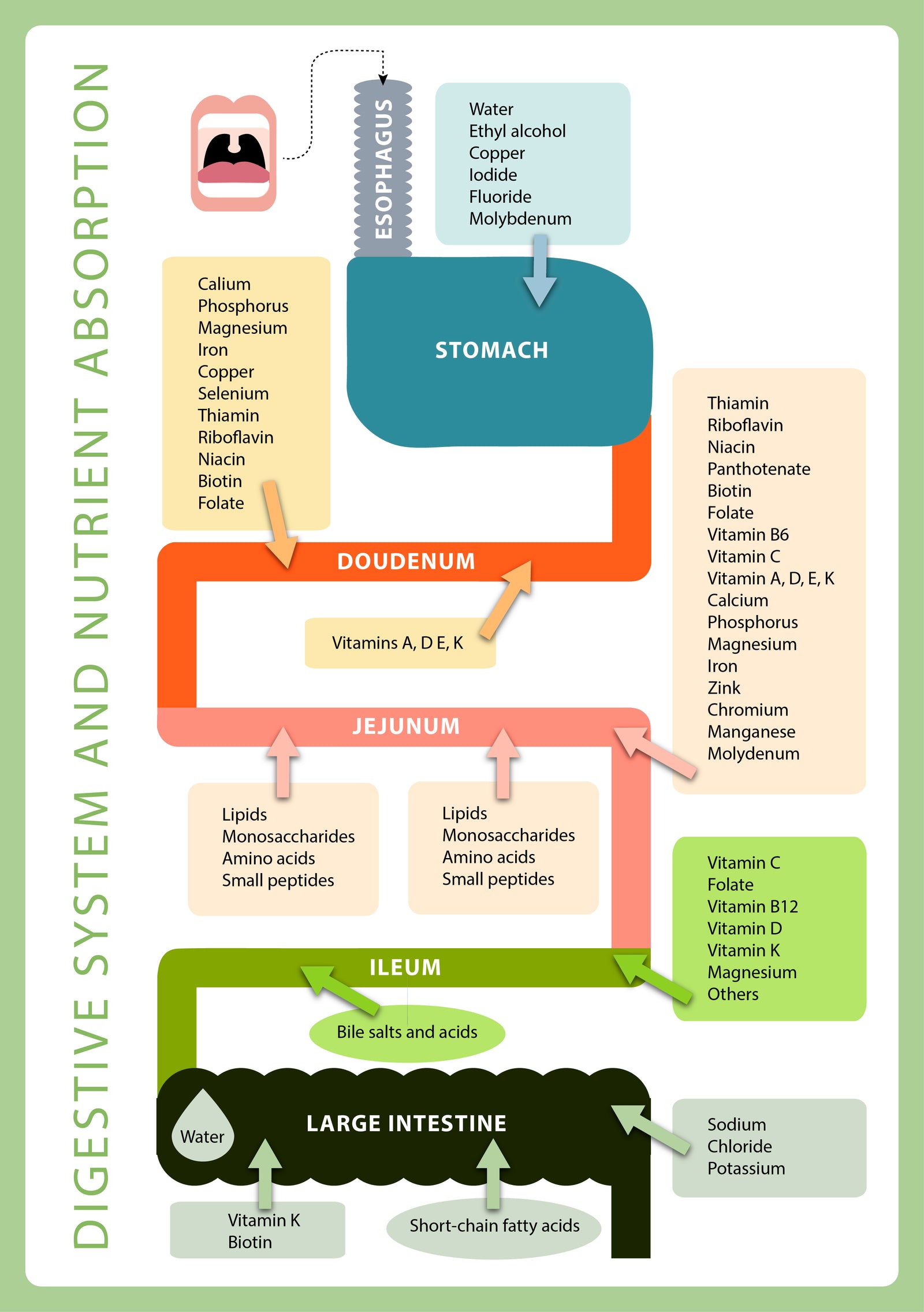
    • Insufficient calcium leads to bone loss, muscle cramps and insomnia. Too much calcium may result in calcium being deposited in unwanted areas of the body such as the arteries. So, where is the sweet spot for calcium intake? The chart at the end of this article from the National Institute of Health (NIH) lists the recommended daily allowance for calcium needed to insure good health for all ages. Following is some information about calcium to help you understand this vital mineral:

      • According to the NIH adults need about 1,000 – 1,200 mg. of calcium each day, from all sources! That means foods and supplements. I think this range is good for most people, unless there is some reason that an individual is not absorbing calcium. Osteoporosis is one example of a condition where higher amounts of calcium may be needed.
      • Calcium absorption is increased by as much as 50% if you have enough vitamin D on board. I have covered vitamin D in past articles but a blood level of 45-55 ng/ml is a good amount. Most people do need supplemental vitamin D to obtain this amount. Without testing, 2,000 IU is safe for healthy people. Unhealthy people may need more or less vitamin D depending on their condition and should be tested.
      • Too much calcium can cause constipation.
      • Magnesium is needed to balance calcium. There are different opinions ranging from a 2:1 ratio (calcium / magnesium) to 1:1. I favor somewhere in between depending on the patient. Too much magnesium can cause loose stools. Since most people I see suffer from constipation the added magnesium to the diet is usually a welcome relief.
      • Calcium is best when taken in smaller, more frequent doses and taken with meals.
      • Calcium supplements – calcium citrate or calcium malate is absorbed better than calcium carbonate because it has an acid component and you need acid to digest calcium.
      • If you do take a calcium supplement only take as much as you would get from a serving of yogurt or a glass of milk – 200-300 mg. at one time.
      • Only about 30% of the calcium we ingest is absorbed

      Elemental calcium and magnesium

      Supplemental calcium comes in the form of a compound. The most common calcium supplement is calcium carbonate. Calcium carbonate is 40% calcium by weight and calcium citrate is 20-25% calcium by weight. Some supplements list elemental calcium and some do not. This is important because a supplement stating 500 mg. calcium may only contain 200 mg. of elemental calcium. On the other hand, if it is elemental, then 500 mg. is a hefty dose – too much for one dose. Know your source.

      Are you getting too much calcium?

      I have found that many of my patients do consume too much calcium – especially those who eat a lot of dairy. On top of this some are taking very high doses of calcium supplements thinking if the RDA is 1,200 mg. then they should take 1,200 mg. of supplemental calcium. Remember 1,000 – 1,200 mg. total, from all sources. That said, many of my patients who have osteoporosis are not getting enough calcium for a variety of reasons. This is why patients need individualized assessments. Also, chronic gastrointestinal problems can lead to malabsorption and these people may need more calcium and magnesium along with a good work up as to why they have GI problems.

      Calcium Sources

      Dairy is high in calcium, however a lot of people are lactose intolerant or allergic to dairy. One 6 – 8 ounce serving of yogurt or milk contains ~ 300 mg. of calcium. Some of my favorite non-dairy calcium rich sources include: Sardines, salmon, sesame seeds, almonds, collard greens and figs. The herb nettles is an amazing source of calcium – If you are interested in making infusions of nettles there is an article on my website under osteoporosis articles. Tahini (sesame seeds) dressing is loaded with calcium and great for salads and veggies.

      The International Osteoporosis Foundation has a food chart to look up foods that contain calcium www.iofbonehealth.org    search – calcium-rich foods

      Supplemental Calcium

      As noted above, calcium citrate absorbs better than calcium carbonate because it has an acid component – you need acid to digest calcium. Calcium carbonate is not the best for most people because you need to take it with food and it dilutes the acid needed not only for calcium absorption but also for protein and other foods that need acid to break down. Many people take the antacid Tums as their supplement. This practice may actually lead to bone lose years down the road. Remember that you must balance your calcium with magnesium. The best supplemental magnesium source is magnesium citrate or magnesium glycinate.

      What is the best time to take calcium?

      I am dairy-free and a light eater so I do take a calcium and magnesium supplement. I found a liquid product of calcium citrate and magnesium citrate. One tablespoon = 250 mg. calcium and 170 mg. of magnesium. I always take one tablespoon before bed. Why before bed? Bone loss occurs more during the night and I have low bone mass. Calcium and magnesium also help with sleep. As mentioned above, small amounts throughout the day of calcium rich foods is the best and adding a supplement if necessary.

      Who should be concerned about getting enough calcium?

      • People who have been diagnosed with osteoporosis or low bone mass.
      • Those who consume a diet high in foods that increase acidity in the body are at risk of not absorbing enough calcium. The top foods to avoid, are the same ones we hear about all the time: Sugar and processed carbohydrates – you know these non-foods. When considering sugary drinks, just say NO! Also, a diet high in protein, especially animal protein can leach calcium from bone.
      • People with low vitamin D in their blood – vitamin D increases calcium absorption by as much as 50%.
      • Malabsorption – gastrointestinal problems that impact absorption such as celiac disease and Crohn’s disease.
      • Those who lack stomach acid either from medications or because their body does not produce adequate amounts of stomach acid.
      • Dairy-free diet – while it is true that greens contain abundant calcium it still may be difficult for some to get enough calcium from their diet.
      • Excessive intake of any of the following can inhibit calcium absorption or utilization: protein, caffeine, alcohol and sugar.
      • Phytic acid and oxalic acid are found naturally in some plants; both bind with calcium and inhibit calcium absorption. High levels of oxalic acid can be found in spinach, collard greens, sweet potatoes, rhubarb, and beans. Foods high in phytic acid are fiber-containing whole-grain products such as wheat bran, beans, seeds, nuts, and soy isolates. These are healthy foods and should not be totally avoided. This is why eating a diet with a wide variety of foods is so important, making sure you eat plenty of greens daily.

      If you have any questions regarding calcium please leave it in the comments section – I actually read my comments.
      The National Institute of Health recommends the following RDA for Calcium intake:

      Table 1: Recommended Dietary Allowances (RDAs) for Calcium [1]

      Age

      Male

      Female

      Pregnant

      Lactating

      0–6 months*

      200 mg

      200 mg

         
      7–12 months*

      260 mg

      260 mg

         
      1–3 years

      700 mg

      700 mg

         
      4–8 years

      1,000 mg

      1,000 mg

         
      9–13 years

      1,300 mg

      1,300 mg

         
      14–18 years

      1,300 mg

      1,300 mg

      1,300 mg

      1,300 mg

      19–50 years

      1,000 mg

      1,000 mg

      1,000 mg

      1,000 mg

      51–70 years

      1,000 mg

      1,200 mg

         
      71+ years

      1,200 mg

      1,200 mg

         
      • Adequate Intake (AI)

      Resources and references
      Office of Dietary Supplements
      Heaney RP, Recker RR, Stegman MR, Moy AJ. Calcium absorption in women: relationships to calcium intake, estrogen status, and age. J Bone Miner Res 1989;4:469-75. [PubMed abstract]
      •  Massey LK, Whiting SJ. Caffeine, urinary calcium, calcium metabolism, and bone. J Nutr 1993;123:1611-4. [PubMed abstract]
      •  Hirsch PE, Peng TC. Effects of alcohol on calcium homeostasis and bone. In: Anderson J, Garner S, eds. Calcium and Phosphorus in Health and Disease. Boca Raton, FL: CRC Press, 1996:289-300.

  • Potassium, Essential for Heart and BONE!

    • Potassium Essential for Heart and BONE!

      Are you getting enough potassium for your bones and your overall health? In general, potassium, one of the electrolytes, is a type of mineral that is required for your body to work properly. A high intake in potassium-rich foods can protect you against heart disease and stroke and is vital in maintaining a good pH balance in the body. I have written about the importance of maintaining a diet that leans toward creating more alkalinity in the body. Potassium is crucial in this process.

      Potassium is the third most abundant mineral in the body and belongs, with sodium and chloride, to the electrolyte family of minerals. These minerals are called electrolytes because they conduct electricity when dissolved in water. About 95% of potassium in the body is stored within the cells. Potassium in bone health relates to the ability of selected potassium salts to neutralize bone-depleting metabolic acids. Because these potassium compounds are alkaline they help neutralize acids. Many fruits and vegetables are high in potassium. As an electrolyte, which takes on a positive or negative charge that helps to regulate blood pressure, potassium helps with muscle contractions and nerve transmission and generally keeps our bodily functions working right. In a nutshell, potassium is needed to do the following:

      • Build proteins
      • Break down and use carbohydrates
      • Maintain healthy bones
      • Build muscle
      • Maintain normal body growth
      • Control the electrical activity of the heart
      • Control the acid-base balance

      So how do you know if you are getting enough potassium?
      I know there are convenient aps that calculate such things, but I have not tried one yet. One way to know is to work with the list of foods that are known to contain high potassium content. Many of my patients, especially the small women who have osteoporosis, are not big eaters, so they typically do not consume enough food to take in high enough quantities.

      According to the University of Maryland, “studies show a positive link between a diet rich in potassium and bone health, particularly among elderly women, suggesting that increasing consumption of foods rich in potassium may play a role in osteoporosis prevention. More research is needed to determine whether a diet high in potassium can reduce bone turnover in people.”

      Why is potassium important? A high intake of potassium-rich foods can protect you against heart disease and stroke and helps maintain bone density and bone health. It is vital in maintaining a good pH balance in the body.

      Several studies have shown an increase in bone mineral density in older adults using potassium supplementation. In a 2-year placebo-controlled study that was presented at the American Society of Nephrology’s 43rd Annual Meeting, “results showed that long-term neutralization of diet-induced acid loads by [potassium] citrate can significantly increase bone density in an elderly population with normal baseline BMD.”

      Another study found that “among a group of healthy elderly persons without osteoporosis, treatment with K-citrate for 24 months resulted in a significant increase in BMD and volumetric BMD at several sites tested, while also improving bone microarchitecture.”

      OK, so now we know that potassium is important for our bones muscles and heart – so how much do we need each day?
      There is no RDA (recommended daily allowance) for potassium but there is an AI (adequate intake) amount. For adults this is 3,800 mg to 4,700 mg each day. That seems like a huge amount to me since I am one of those small-boned women who do not consume a large volume of food. From my interpretation on the information out there I think it is best to lean toward 4,700 mg for men and women.

      Should you supplement? Discuss this with a doctor who knows nutrition. It is always best to get potassium from the foods you eat. Supplements can result in stomach problems, including nausea, which is why the maximum amount that a supplement can contain is 99 mg. It is always best to get it from the foods that we eat.

      Top Foods High in Potassium Content

      I checked several sources, including the USDA and The University of Maryland Medical Center and of course the exact amount of any nutrient in any given food varies. However, the amounts listed below are a good estimate.

      One of my recent favorite discoveries is black strap molasses, which I add to beans and my steel-cut oats. One tablespoon of black strap molasses contains between 450 and ~700 mg of potassium and 200 mg of calcium plus many other nutrients The sugar content is low. Must buy organic! Try a small amount to begin with, as the taste is strong.

      Seeds and Beans

      Beans and seeds tend to be rich in potassium.
      ½ cup white beans ~ 595 mg
      Lima Beans ~ 484 mg
      ½ cup pinto beans ~ 400 mg
      ¼ cup sunflower seeds ~ 250 mg
      ¼ cup pumpkin seeds ~ 200 mg

      Grains

      Whole grains contain the most potassium
      1 cup black rice ~285 mg
      1 cup quinoa ~300 mg
      ½ cup amaranth ~350 mg

      Fruit
      Dried apricots, prunes, and dates are high, but they are also high in sugar.

      1 oz dried coconut ~150 mg
      1 fig ~54 mg
      1 date ~160 mg
      1 banana (small) ~422 mg
      ¼ cup apricots ~375 mg
      ½ avocado ~475 mg
      1 mango (medium) ~325 mg
      ¼ cup prunes ~350 mg
      1 papaya ~780 mg
      1 kiwi or nectarine ~285 mg

      Meat, fish and dairy products are top sources of potassium

      3 oz broiled salmon ~319 mg
      8 oz yogurt ~534 mg
      Goat’s milk and cow’s milk are good sources
      Cooked lean beef and roasted turkey are also high in the mineral, with each providing about 250 mg per 3-oz serving.
      3 oz. canned clams ~534 mg
      3 oz rock fish ~442 mg

      Vegetables

      ½ cup cooked spinach ~415 mg
      1 cup asparagus ~288 mg
      ½ cup Brussels sprouts ~250 mg
      1 cup cooked beets ~500 mg
      ¼ cup tomato paste ~665 mg
      ¾ cup tomato juice ~417 mg
      1 cup winter squash ~896 mg
      ½ cup beet greens ~655 mg
      1 cup carrot juice ~685mg
      1 sweet potato, with skin, 694 mg
      1 potato with skin ~610 mg

      Many spices contain a good amount of potassium, including one of my favorites, turmeric.

      If you want more statistics go to the USDA website they list servings per 100 grams which is 3.5 ounces. If you search other sources you will see content varies widely. I suspect some websites with overly high estimates did not calculate the grams correctly when converting to ounces or cups.

      Medications and health conditions that impact potassium:

      Many medications impact potassium. Some that lower potassium include diuretics, corticosteroids, antacids, and many others. If you are on medications, check to see if any impact potassium. If you have a health condition, especially a kidney condition, talk with your health care provider about potassium. For more information regarding health conditions and medications as they relate to potassium please visit, University of Maryland Medical Center

      Resources

      The Journal of Clinical Endocrinology and Metabolism
      University of Maryland Medical Center
      Susan Brown, Ph.D.
      Drugs.com
      USDA.com
      thedailygreen.com

  • Salt in BONE OUT?

    • Salt in BONE OUT?

      Table salt (refined) and sea salt is primarily a combination of sodium and chloride (NaCl). Sodium is an essential element, which means we can’t live without it. Our bodies need sodium and it makes the taste of food, oh-so-good. But too much of a good thing can result in bone loss. Most people are aware of the connection between high blood pressure and sodium intake, but few are aware that too much sodium can result in bone loss. The Institute of Medicine (IOM) estimates that the average American adult consumes nearly double the recommended daily intake of sodium per day.

      The 2010 Dietary Guidelines for Americans recommends an upper limit of 2,300 mg. each day or 1,500 mg. if you’re age 51 or older, or if you are black, or if you have high blood pressure, diabetes or chronic kidney disease. I would add to this, those who are concerned about their bones should also strive for no more than 1,500 mg. each day. The exception to this is for those who sweat for extended periods of time, through exercise or work.

      How does high salt intake impact bone?
      Following is an excerpt from Science News.

      “Todd Alexander and his team recently discovered an important link between sodium and calcium. These both appear to be regulated by the same molecule in the body. When sodium intake becomes too high, the body gets rid of sodium via the urine, taking calcium with it, which depletes calcium stores in the body. High levels of calcium in the urine lead to the development of kidney stones, while inadequate levels of calcium in the body lead to thin bones and osteoporosis.

      “When the body tries to get rid of sodium via the urine, our findings suggest the body also gets rid of calcium at the same time,” says Alexander, a Faculty of Medicine & Dentistry researcher whose findings were recently published in the peer-reviewed journal American Journal of Physiology — Renal Physiology.”

      In essence the higher your sodium intake, the larger your calcium losses are. Maintaining your sodium intake well below the recommended 2,300 mg. each day while meeting your daily requirement for calcium should cover calcium losses through your urine and maintain your bone health. Recommended daily intake of calcium is 1,000 mg. per day, with an upper daily intake of 1,300 mg. per day. Some people need more depending on their absorption of calcium.

      Sodium – how important is it and what does it do?

      • It is found in every cell of the body
      • Helps to maintain the right balance of fluids in your body
      • Used to transmit nerve impulses
      • Influences the contraction and relaxation of muscles
      • Too much or too little salt intake can result in electrolyte disturbance, muscle cramps or dizziness, which can cause neurological problems, or death.
      • Drinking too much water, with insufficient salt intake, can result in water intoxication (hyponatremia).

      Salt Sense – here are some salt facts so that you can be salt savvy:

      • Sodium is an essential nutrient
      • Recommended daily intake
        • 2,300 mg.
        • 1,500 for people over 50 or for those with elevated blood pressure or congestive heart failure. While no studies exist on how much salt intake is OK for bone health, my opinion is that 1,500 mg. is a good target.
        • One teaspoon of salt = 2,335 mg. of salt – yikes! Hold that salt please!
        • One tablespoon soy sauce = 1,000 mg. salt – Oy, the soy!
        • Whole foods naturally contain salt – all vegetables, meat, dairy and shellfish with crabmeat toping the scale at over 900 mg. of salt per 3 oz. Yes, most of us can handle occasional high dose foods.
        • READ LABELS: Processed foods often contain huge amounts of salt – note the serving size!
        • Foods can taste sweet yet still contain a significant amount of salt
        • Salt bombs
          • Processed and prepared foods tend to contain a lot of salt.
          • Frozen foods – pizza 1,800 mg.
          • Spaghetti sauce – one cup 1,000 mg.
          • Packaged grains – one flour tortilla can have as much as 500 mg. of sodium
          • Cheese – tends to be high in sodium and cottage cheese can be as high as 800 mg.
          • Meats especially smoked – bacon can contain as much as 350 mg./slice (Canadian Bacon)
          • Canned foods can contain as much as 1,300 mg. of salt
          • Canned fish
            • Tuna 300 mg. per can
            • Sardines (a good choice for bone health) can have as much as 300 mg. per 3 ounces. Read the label – some have less than 50 mg.
            • Restaurant foods can contain a lot of salt. If you are concerned ask your server if they have low sodium options.

      Table salt versus sea salt

      Table salt is sodium chloride with additives for anti-caking and other ingredients that are often added, such as iodine. Sea salt does not contain iodine or other additives, but it does contain additional trace elements such as calcium and magnesium. Interestingly, sea salt is more alkaline than table salt because of the natural trace elements. However, sodium is sodium and regardless of origin maintaining a healthy level is important for your health. My favorite brand of salt is Real Salt, which is produced in the USA. It is mined in Utah – no additives and no chemicals.

      You can lower your salt intake. If you are used to a salty taste it will take some time before your taste buds lower their expectations, but it is worth the effort for your bones and for your overall health.

       SCROLL DOWN TO SEE COMMENTS AND DR. LANI’S RESPONSES

  • VITAMIN D WINTER

    • Vitamin D Winter

      It is critical for you and your family to get this vitamin/hormone in the right amount. I used to think that I was not deficient – after all, I live in California and I am outside biking, walking and gardening – without sunblock most of the time. But because of my vitamin D deficiency I was losing bone mass. Vitamin D increases calcium and phosphorus absorption by a whopping 50%. At the time I did not understand the sun’s ultraviolet rays and when these rays were strong enough to manufacture this vital nutrient. I thought that if the sun was shinning and my skin was exposed, that would produce vitamin D.

      Not all sunlight produces vitamin D. In fact, most of North America is now in Vitamin D Winter. Only one ultraviolet ray (UVB) produces vitamin D when it interacts with a pre-cholesterol just under the top layer of skin. The UVB ray is strongest when the sun is directly overhead. When the sun is at a 45-degree angle or less, the skin will not produce vitamin D. The closer one lives to the equator the more potential there is to produce vitamin D. Where I live, in the San Francisco Bay Area, vitamin D will not be produced through sun exposure from November through the end of March.

      How much vitamin D do you need?

      It is hard to know exactly without testing and testing is not exact, but it will certainly put you in the ballpark. The test to take is 25, hydroxyvitamin D. Make sure that the correct test is ordered; don’t take the 1,25 dihydroxyvitamin D. A good target is between 40-55 ng/ml. Labcorp is providing the most accurate testing presently.

      What kind of vitamin D should you supplement with?

      Vitamin D3, not Vitamin D2. Most people need at least 2,000 IU each day and some people need much more depending on digestive problems or other health issues that might impact vitamin D absorption. It is always best to work with a health care practitioner familiar with vitamin D.

      If you are low what should you do?

      1,000 IU of vitamin D3 should increase your blood level of 25 hydroxyvitamin D by 10 points. It takes up to 6 weeks to saturate your tissue levels. Test again in 6-8 weeks to see if you have reached your target.

      TIP: When your shadow is taller than you are, you will not produce vitamin D.

  • Bone density exams can be flawed

    • Bone density exams can be flawed

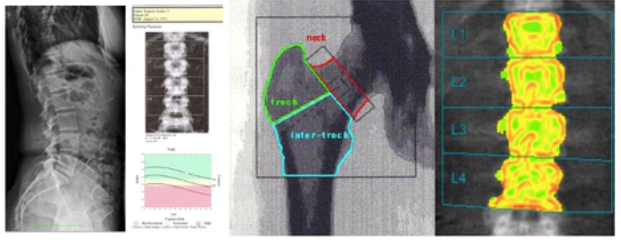
      Did you know that bone density testing facilities are not required to have certified trained technicians? Also, the doctor reading the exam is not required to be certified as a densitometrist? Training is voluntary! Any MD can issue a report on a bone density test. This is a huge problem, densitometry,  is not a required field of study in radiology or medical training. I review cases from all over the country and I find preventable errors many times a week. When a report with an erroneous error concludes that bone loss has occurred, that is a trigger for medical doctors to prescribe medications.

      “errors are not uncommon”
      International Society of Clinical Densitometry

      Following are real cases that I have evaluated. The names have been changed for confidentiality.

      Case study #1

      Melanie was diagnosed with osteoporosis. She was frightened to hear her diagnosis. Her bone density T-score is – 2.5 SD (translation – 30% less than an average 30 year old or borderline osteoporosis). She has never fractured a bone and she is 58 years old. She eats a healthy diet and exercises. Her doctor told her that she has lost 2% bone mass and that she has moved from osteopenia (low bone mass) to osteoporosis. No family history of hip fractures or osteoporosis.

      Her doctor recommended that she take Fosamax. Melanie is active and wants to stay that way, but she is concerned about the side effects of Fosamax. Should she take Fosamax? As a chiropractor I cannot tell her not to take the medication. What I can do is assess her case as a densitometrist. First and foremost 2% bone loss or gain is not a reliable number. The least significant loss or gain is in the neighborhood of 5%. My personal view is that Fosamax has side effects that should be weighed carefully before embarking on such medications. I interviewed, Dr. Jennifer Schneider regarding the use of Fosamax. When I first heard Dr. Schneider speak on a Diane Sawyer interview I knew I wanted to have her on my webinar program. It is free to view on my website. Click here for the free webinar.

      Case study #2

      Frank was told that he lost 5% bone mass in a five-year period. The report was flawed because the radiologist who wrote the report compared the neck of the femur to the total hip, which was an error. When compared correctly he had not lost bone and in fact, his bone was stable.

      Case study #3

      Susan was told that she lost 7% bone mass in her hip. The hip rotation was incorrect in her previous exam. This rotation error is a common mistake, but should have been easily caught by the technologist and if not the technologist the doctor reading the exam. Improper hip rotation can result in up to a 10% error with either an increase or decrease in bone density.

      Case study #4

      Rachel was told she had lost bone in her lumbar spine. On closer examination in her first bone density exam in 2008, the technician selected lumbar vertebra L1-L4 (this is correct) and in 2012 the technician selected T12 through L3. Since vertebral bones get larger from the top to the bottom of the vertebral column, the mistake showed she lost bone. I called the radiologist and told him about the error and mentioned that the technologist needs to first identify L4 and count from the bottom up. He said at their facility they count from the top down. It was obvious that neither the radiologist nor the technician had been trained in densitometry.

      Case #5

      Sahara called to tell me that she knows of a new supplement that increased her bone density by 2%. If you have read this far I think you know the answer to this one. The 2% is not a reliable number.

      Errors on bone density exams? Isn’t bone density testing reliable?

      Bone density testing is only as good as the technicians ability to set up the patient correctly and the doctor’s ability to evaluate the data that the computer analyzes. The least significant change that is reliable when comparing two bone density exams is around 5%. This is because the machine itself is not perfect every time and the technician can make errors when setting up the patient. Such errors can result in an exam of a patient that appears to have lost or gained bone density. When the treating doctor reads the report furnished by the bone density exam center they rely on these reports to determine whether or not to prescribe medications.

      Some facilities are doing great work. For instance in the San Francisco Bay Area – The Foundation for Osteoporosis Education, Elliot Schwartz MD (Oakland) and UCSF in San Francisco. The doctors who read these reports have been trained and they are certified clinical densitometrists. You can ask your facility whether or not the tech and the doctor reading the exams are certified. While this does not remove all errors, it is a huge step in the right direction.

      For some people it is advisable to seek a second opinion regarding bone density exams, especially if there has been a comparison study noting a significant loss and gain for that matter. The error rate for some facilities is much lower than others mostly due to excellent training and not simply the brief training offered by the company selling the equipment.

  • Bone Density and Bone Quality

    • Bone Density and Bone Quality

      What is it that makes bones more susceptible to fracture as we age? Is it poor bone density, poor bone quality or both? It seems that all we hear about is bone density. This is because bone density can be measured, but bone quality cannot be measured. Bone density is part of overall bone quality, but not the entire picture. This is one reason why some people with the same low bone density may fracture while others do not. However, if bone density is significantly low (such as a T-score of -3.5 SD which is 40% less than an average 30 year old) that alone decreases the bone quality. For some this can result in osteoporosis related fractures. Osteoporosis related fractures are breaks that occur with minimal trauma. The larger picture regarding things that can impact bone quality include: digestive health, healthy nutrition, bone robbing medications such as proton pump inhibitors (Nexium, Prilosec) and prednisone to name only a few. These factors and many more contribute to the overall health (quality) of our bone. Your bones are what you eat and also reflect your lifestyle. Smoking for instance impacts bone quality and bone density due to lack of circulation in the bone itself. You can improve bone quality by improving nutrition, digestive health and by maintaining a healthy lifestyle. Improving bone quality reduces fracture risk.

      Some facts about bone

      Bone is alive and dynamic – it is a reservoir of nutrients
      • 80% of our lifetime bone mass is laid down by the age of eighteen.
      • Our peak bone mass is achieved by the age of thirty.
      • After the age of thirty it takes more effort to maintain bone mass.
      • Age related bone loss is .5-1% per year. Post menopause years can boost bone loss to 1-3% each year.
      • Woman with small bones and low body weight are most susceptible to age related bone loss. We learned from astronauts going into outer space that gravity impacts bone. An astronaut can lose 10-20% bone mass after being in space for a prolonged period of time. They also lose muscle mass that is why they need assistance walking when they first step on earth again. Low body weight can contribute to bone loss.
      • If any product claims to build bone mass be skeptical. Everyone is different. One person may have osteoporosis due to parathyroid disease, gluten intolerance any many other conditions. Make sure you have had a thorough evaluation.
      • The diagnosis of osteoporosis does not mean active bone loss is occurring. This is surprising to many people when they first hear it. Let’s take the example of a 55-year-old woman who has just had her first bone density exam. She has borderline osteoporosis – is she losing bone? Maybe she never gained a good bank account of bone in her teens, she may have had an eating disorder, smoked cigarettes or ate a diet that did not build her bones. Active bone loss can be a serious problem while stable bone may be just fine.
      • Some patients have told me that they have osteoporosis in their neck, thinking it is their actual neck, above their shoulders. The neck refers to the neck of the hip.
      • Will exercise and a healthy diet reverse serious osteoporosis. This is very important question. My first question always is why does an individual have serious osteoporosis in the first place? Are they presently losing bone or is their bone stable. There are two ways to determine this. 1. Two bone density exams from the exact same machine that have been compared correctly. 2. Lab tests including bone markers or other specific tests for the parathyroid or kidneys may be necessary to sort out if and why bone loss is occuring. Bone is complex there is no one size fits all. Unfortunately, it all to common to see osteoporosis evaluated incorrectly.

      Most importantly evaluating bone takes time and in our age of managed care many patients are simply offered a prescription rather than a complete and thoughtful evaluation.

  • Chiropractor offers hope, treats osteoporosis

    • Chiropractor offers hope, treats osteoporosis

      This feature article appeared in the San Francisco Chronicle
      by Pat Yollin
      July 3rd

      Twenty years ago, Lani Simpson learned she had osteoporosis.  She was only 42. 

      “It terrified me,” she said. “All of a sudden, it made me feel weak. Did it mean I couldn’t jog or play tennis or roller-skate?”

      What it meant was that Simpson, a chiropractor who figured she knew quite a bit about the 206 bones in the human body, realized she had a lot more to learn. She is now a clinically certified bone densitometrist – adept at analyzing bone density scans of the hip and spine – and has her own practice in Berkeley, which combines conventional and alternative approaches to address a condition that affects 10 million Americans, 80 percent of them women.

      “She’s a Bay Area gem,” said Dr. Claude Arnaud, an endocrinologist and retired UCSF professor of medicine and physiology who has collaborated with Simpson for 10 years. “She is extremely good as a clinician, and she’s gained a great deal of knowledge of nutrition and dealing with bone diseases associated with the gastrointestinal system.”

      Arnaud, an osteoporosis expert, said, “She listens to patients and has very good common sense.”

      Simpson said she believes her bones deteriorated because she started smoking at 12 and ate junk food as a teenager.

      “I hoped it would be simple, that I could just smear on progesterone cream or that a single supplement would take care of it,” said the longtime Berkeley resident, who is tall, thin and amazingly upright. “But bone is very, very complex. There is no magic bullet.”

      Over the years, she has consulted with hundreds of women, spoken to thousands more at conferences and taught health professionals about osteoporosis, which was responsible for about 2 million fractures in the United States in 2005, according to the National Osteoporosis Foundation. Simpson’s recent free lectures at the Berkeley YMCA and the Albany Public Library were standing room only, and her six-hour March workshop sold out.

      At each venue, she makes a few key points right off: It’s never too late or too early to build healthy bone, which is dynamic, alive and a reservoir for nutrients. Although increasing bone density is not easy, bone quality extends way beyond density and can be improved at any age through exercise and nutrition. Good balance is paramount to prevent falls. Drugs are overprescribed but sometimes necessary. And every case of osteoporosis is different.

      “If you’re losing bone, I want to know why,” Simpson said.

      Appropriate tests vital

      She said it’s vital to make sure appropriate laboratory tests are ordered to determine whether bone is stable or if active loss is occurring for any number of reasons, including inadequate nutrition, digestive disorders, kidney problems, poor calcium absorption, parathyroid disease or something else.

      Admittedly messianic, she regularly updates her website, www.LaniSimpson.com, offers free webinars and scrutinizes medical research as well as claims by supplement companies. “You’re lucky if there are six rats in some of these studies,” she said.

      Veronica Bhonsle, 53, who owns a hair salon in Oakland, was diagnosed with an advanced case of osteoporosis three years ago. A doctor urged her to take Fosamax, which builds bone but has been linked to osteonecrosis, or bone death, in the jaw as well as atypical femur fractures. In May, the Food and Drug Administration urged caution in long-term use of this drug and other bisphosphonates.

      “I was scared to death of doing Fosamax,” Bhonsle said. “But I felt my body was going to break anytime. Lani put me back together.”

      Simpson determined that her client’s osteoporosis was the result of a vitamin D deficiency and premature menopause. Bhonsle said she now takes 1,000 milligrams of vitamin D daily and wears a patch that administers a small dose of bioidentical estrogen, an exact chemical match to the estrogen that humans produce. She walks whenever she can, and eats nuts and calcium-rich yogurt, which is easily digested. As a result, she has gained bone density.

      No ‘cookie-cutter’ tips

      Berkeley meditation teacher Patricia Ellsberg, who also works with husband Daniel Ellsberg (of Pentagon Papers fame) on social change, said Simpson has been a wise, thorough and compassionate guide as she struggles with osteoporosis.

      “She refuses to give cookie-cutter advice,” Ellsberg said.

      Good practices

      Still, Simpson said some things are good for most people: Include bone-building foods in the diet, such as prunes, figs, nettles and green leafy vegetables. Take 2,000 international units of vitamin D3 daily but check with your doctor to be sure it is safe for you. Avoid soft drinks, processed carbohydrates and sugar, and minimize alcohol intake. If you must have coffee or tea, don’t drink them on an empty stomach because they’re highly acidic and hurt the stomach lining, which can make digesting the nutrients crucial for bone health more difficult. Lift weights and do weight-bearing types of exercise that strengthen bone, such as jogging, walking or tennis. Take calcium supplements, if needed, in divided doses instead of all at once to maximize absorption. And do your best to avoid falling, which can lead to fractures.

      “I stopped roller-skating this year,” said the 62-year-old Simpson. “But I think I was safer than most women are in high heels. Who wants to break their hip falling off their shoe?”

      Patricia Yollin is a freelance writer and editor. E-mail datebookletters@sfchronicle.com

  • Concerns raised over long-term use of bone drugs, New York Times Article

    • Concerns raised over long-term use of bone drugs,

      The following excerpt is from an article from last weeks New York Times, Concerns raised over long-term use of bone drugs.

      “In an unusual move that might prompt millions of women to rethink their use of popular bone-building drugs, the Food and Drug Administration published an analysis Wednesday that suggested caution about long-term use of the drugs but fell short of issuing specific recommendations. The analysis in The New England Journal of Medicine found little if any benefit from the drugs, known as bisphosphonates, after three to five years of use.

      The FDA review was prompted by a growing debate over how long women should continue using the drugs, which have been sold under such brand names as Fosamax, Boniva, Actonel and Reclast. The concern is that after years of use, the drugs might in rare cases actually lead to weaker bones in certain women, contributing to “rare but serious adverse events,” including unusual femur fractures”

      In June 2010 I wrote the following article, Osteoporosis Drugs Cause Fractures? Uh-oh!  I think it is worth repeating for anyone who might be taking these medications or for anyone considering medications. Following is the article.

      Troubling news is mounting regarding the primary drugs used to treat osteoporosis.  The drugs are classified as bisphosphonates, and some of the common names include Fosamax, Actonel, Boniva and Reclast.

      Carole Ames said, “I walked into my husband’s bedroom and my leg just broke and I went down.”

      Sue Heller age 60, of Castle Rock, Colo., had been on Fosamax for almost 10 years. She broke both of her femur bones at the same time.

      Sandy Potter age 59 of Queens, NY said she was jumping rope when she felt her thighbone snap.

      “We are seeing people just walking, walking down the steps, patients who are doing low-energy exercise,” said Dr. Kenneth Egol, professor of orthopedic surgery at NYU Langone Medical Center. “It’s very unusual, the femur is one of the strongest bones in the body.”

      One doctor reported on World News with Dianne Sawyer that she had sustained a thigh fracture with no force.  She has started a support group that now includes 31 women and a man who have sustained femur (thigh bone) low force or no force fractures.  Amazingly 1/3 of the people in this group have fractured both of their femurs. Many doctors, including myself believe that this is the tip of the iceberg regarding such fractures.

      It may be hard to believe, but this sad outcome was predictable.  How can that be?  Anyone with a basic understanding of how healthy bone stays healthy should know.  Our skeleton is designed to replace itself every 7 years.  There are two specialized bone cells for this process – osteoclasts, chew up old bone and get rid of it while osteoblasts lay down new bone.  Now you know the main secret for healthy bone to maintain being healthy.  Now lets imagine something interfering with that natural process.  Bisphosphonates basically poison osteoclasts.  OK class, let’s guess; what might happen if you disrupt that process for years? You got it; a bunch of old bone, which means brittle bone!  Am I a rocket scientist to have figured this out?  Not really; I simply understand basic physiology.  Why then are medical doctors continuing to prescribe these medications?  Don’t get me started.  You are reading me right, I am angry about all of the needless suffering that mostly women are going through because of the drug companies’ over-inflated selling of these drugs.

      The current recommendation for bisphosphonate medications is that no one should stay on bisphosphonates beyond 5 years.  But I think we also need to question the first 5 years.  These medications are biologically active in the bone for years after discontinuing use.  I know many women are in fear of fracturing their bones, particularly those who have taken bisphosphonates for over 5 years.  For these women I feel additional evaluation should be considered including x-rays and or MRIs of the femur bones, especially if pain is experienced in the thigh bones which may indicate micro fractures.

      In addition to the horrific side effect of low force fractures, other side effects have also been reported including severe musculoskeletal pain, as well as a serious bone-related jaw disease called osteonecrosis (areas of bone death), and gastro intestinal disturbances or GERD (Gastric esophageal reflux disease).

      Now the question is should women even start taking these medications?  If so, what type of case would qualify the use of bisphosphonates where the benefits outweigh the risks?  For certain individuals who have very serious osteoporosis all options should be considered.  For instance a -4 T score, which is approximately 50% less bone mass than the average 35 year old, is very significant while a -2.5 T score is less serious and can easily be managed for most people.

      While I am highly skeptical of the use of bisphosphonates, I am open to the idea that they may benefit a certain population.  These are some of my considerations when evaluating a case:

      • Each patient should be regarded as an individual – what causes bone loss in one person is not the same as the next.  For instance, one person may be taking medications that result in bone loss while another may have a digestive disorder.
      • Complete nutritional analysis is core to any treatment program.
      • Proper lab work including bone markers or at least two bone density tests that indicate bone loss or bone stability.
      • Has the patient incurred low velocity fractures?
      • What is the patient’s age?
      • What is the bone density?  Is it marginal or severe?
      • There are many medications that might be on the table depending on the particular individual which include:  Bisphosphonates, Forteo, Strontium Ranelate, bio-identical hormones, Selective Estrogen Receptor Modulators, Miacalcin (calcitonin).
      • Alternative options include:  Top notch nutritional evaluation and solving any digestive disorders. Exercise programs including whole body vibration, weight training, sound supplement program from reliable companies, hormone balancing that may include bio-identical hormones.  Strontium citrate is getting a lot of attention, and while the studies are still not large enough it very well may pan out.

      Make sure that you learn all you can about bone if you have been diagnosed with osteoporosis as this will be an ongoing discussion with your health care providers for the rest of your life. If you want to learn more consider one of the programs listed click here

  • Wait until age 65 to have a bone density?

    • Wait until age 65 to have a bone density?

      The HMO’s have run with this directive from the International Society of Bone Densitometry ISCD). I read a newspaper headline the other day, “Bone density testing Not Necessary until the age of 65.” I have talked with patients whose doctors are telling them they do not need the test without doing a complete history to see if there is a need. In the photo on the right the woman hunched over on the far right is 65 years of age. The actual directive from the ISCD regarding bone density testing is the following:

      Indications for Bone Mineral Density (BMD) Testing

      • Women aged 65 and older
      • Postmenopausal women under age 65 with risk factors for fracture.
      • Women during the menopausal transition with clinical risk factors for fracture, such as low body weight, prior fracture, or high-risk medication use.
      • Men aged 70 and older.
      • Men under age 70 with clinical risk factors for fracture.
      • Adults with a fragility fracture.
      • Adults with a disease or condition associated with low bone mass or bone loss.
      • Adults taking medications associated with low bone mass or bone loss.
      • Anyone being considered for pharmacologic therapy.
      • Anyone being treated, to monitor treatment effect.
      • Anyone not receiving therapy in whom evidence of bone loss would lead to treatment.
      • Women discontinuing estrogen should be considered for bone density testing according to the indications listed above.

      There are many reasons to consider bone density testing. Keep in mind that the bulk of our bone mass (about 80%) is laid down by the time we are 18 years of age. So the first question is, did you lay down a good bank account of bone? In my case, I did not lay down a good bank account of bone, which led to borderline osteoporosis before menopause. As a teenager I smoked cigarettes and I did not eat a healthy diet. Add to that, I have small bones and I am thin. This background is enough to request a bone density test before menopause.

      After the age of 35, bone loss, especially for women with small frames is .5 to 1% per year. During the menopausal transition it can increase to 1-3% per year. This incremental bone loss adds up. To avoid loss it is critical to resolve gastrointestinal problems and to nurture healthy bones through nutrition and exercise.

      Potential Benefits of early testing

      Cases of osteoporosis will be caught early through early testing. Knowing you have low bone mass or osteoporosis can be a serious wake up call to resolve digestive issues, eat a healthy bone building diet and maintain an exercise program. Also, if someone has serious low bone mass, proper lab tests can be ordered to determine whether or not bone loss is occurring presently. This is important. Active bone loss is a concern. You can have osteoporosis that is stable, meaning bone loss may have occurred earlier in life or a good bank account of bone was not developed in the first place. A good example is someone who has a history of anorexia or high soda or coffee intake for a period of years. They may not engage in these activities today but such a history, especially in formative years may indicate that the bone did not reach it’s full peak bone mass. This type of history is enough for me to check bone density.

      There is a long list of concerns that would make me order a bone density exam based on the patient’s history. The most important time for a woman to consider a bone density exam is before menopause, if she has additional risk factors. Why? Bone loss can be considerable during the years leading up to menopause and up to 10 years after. Age related bone loss (which can be prevented in some people) is .5 to 1% a year and during the menopause transition it can be 1-2% each year or 20% in some women. That is a lot of bone to lose.

      Unfortunately, with the headlines reading, “No need for a bone density test until age 65” those who need it most may be over looked. The question you need to ask yourself is whether or not you have risk factors that caused you not to build a good bank account of bone or if you have health issues presently that may be causing the leaching of bone. Osteoporosis is a disease that often is not discovered until a fragility fracture occurs (low trauma fracture). Here is a list of risk factors to consider. If you have any of these risk factors you may have osteoporosis and not know it.

      • Caucasian or Asian ethnicity
      • Thin women or small bones
      • Rheumatoid arthritis
      • History of fractures
      • History of dieting
      • Anorexia or bulimia
      • Digestive problems (malabsorption)
      • Relatives with osteoporosis
      • Parent who sustained non-traumatic fractures
      • Early menopause
      • Pregnancy – multiple
      • Lactation – extended
      • Inadequate exercise
      • Excessive exercise
      • No menses for extended time
      • Ovary removal (both)
      • Kidney disease
      • Hyperparathyroidism
      • Hyperthyroidism
      • Diabetes
      • Chronic stress
      • Smoking particularly in formative years
      • Heavy alcohol past or present
      • Heavy caffeine intake
      • Junk food diet – high sugar, processed carbohydrates, high salt
      • Carbonated drinks
      • Acidic diet
      • High or low protein intake
      • Vitamin D deficiency
      • Low calcium, magnesium intake & other bone nutrients
      • Chronic antacid use – we need acid to aid in calcium absorption and protein breakdown
      • Medications: Proton pump inhibitors, aromatase inhibitors, corticosteroids, antacids, thyroid medications, Dilantin, SSRIs for treatment of depression

      Men’s bone can be depleted from the same conditions above that do not apply to women only. In addition men can also have an increased risk if they are smaller in stature or have hypogonadism with a low testosterone output.

      BONE QUALITY

      Bone density is part of bone quality but bone quality extends way beyond density alone. That is why some people with osteoporosis fracture easily while other people do not. Example: Stacy has borderline osteoporosis and she has a malabsorption problem that has robbed her of nutrients needed to build and maintain healthy bone. She fractured her hip at age 65 with minimal trauma. What is minimal trauma? Falling from a standing height and breaking a bone or breaking a bone with minimal trauma. Most people with healthy bones would not sustain a fracture from minimal trauma. If you have had a fracture, ask yourself if the fracture seemed reasonable given the forces placed upon the bone.

      Can you have osteoporosis and have a normal bone density test? YES!

      Bone density is not everything and osteoporosis experts are trying to get doctors to think about the disease in many ways. Fractures trump bone density. So, if someone has had fragility regardless of the bone density there is a major bone problem. So, you can have normal bone density and fracture. This means that the bone quality is not good and that the bone is brittle for some reason. To be clear most people who sustain an osteoporosis related fracture also have low bone density.


  • Is osteoporosis caused by low calcium intake?

    • Is osteoporosis caused by low calcium intake?

      We hear a lot about calcium and our bones. In a recent newsletter I wrote an article, Calcium , the Double Edged Sword. Yes, we need calcium for our bones, but it is not the whole story. When I attend osteoporosis conferences nutrition is barely mentioned. When it is covered, the only nutrients typically mentioned are calcium (Tum’s no less) and vitamin D. Occasionally, vitamin K is mentioned, but by and large, the emphasis is on research involving medications or new discoveries regarding bone cells. The following is an excerpt from anthropologist Susan Brown, Ph.D.. She suggests that the notion that osteoporosis is caused by low calcium intake is a myth.

      “Increasing calcium is certainly one way to strengthen bone — but we have to look at it in context. It’s been the opinion of Western researchers for decades that low calcium intake leads to osteoporosis. Because bone is composed largely of calcium, it might appear logical to link calcium intake directly with bone health. But in reality calcium depends on other nutrients to do its work, and so just increasing calcium without other bone-building nutrients may cause more harm than good. What’s interesting is a glance at the cross-cultural data, which shows us that most areas of the world have lower calcium intake than we do, yet have lower rates of osteoporosis. In fact, it has been documented that the countries with the highest calcium intake have the highest hip fracture incidence. So more calcium doesn’t automatically equal stronger bone.

      All researchers agree that adequate calcium is absolutely essential for development and maintenance of bone health. The question so often asked is, how much calcium is adequate? The data I’ve looked at indicate that there is no one standard ideal calcium intake, but that it varies based on a number of other coexisting factors. These factors include digestive health; intake of other bone-building nutrients; consumption of potentially calcium-depleting substances like excess protein, salt, fat, and sugar; the use of some drugs, alcohol and tobacco; the level of physical activity; exposure to sunlight; environmental toxins and stress; ovary and uterus removal; and many other factors that limit absorption and endocrine gland functioning.”

      Dr. Lani’s comments

      I couldn’t agree more with her analysis. Bone is very complex, so to dumb it down to one nutrient is simply wrong. What is abundantly clear is that each case of osteoporosis is different than the next. Many of my patients who have osteoporosis do in fact need calcium supplements. Some have dairy allergies and some have digestive problems that lead to malabsorption of calcium. Calcium needs to be balanced with other bone healthy nutrients including, magnesium, vitamins, D, K and A (too much vitamin A or the wrong form can result in bone loss too) and more. Too much or too little protein is not good for bone either.

      I encourage anyone who has been diagnosed with osteoporosis or osteopenia (low bone mass) to learn about bone. This is so important because every health practitioner that you see for the rest of your life will have an opinion and recommendation regarding medications supplements and so on.

      As Dr. Brown points out in other articles, osteoporosis is not seen in some cultures until they take on a more western style of living including junk food and sedentary life style.


      FIGS – good for your heart and your bones

      Figs contain approximately 80 milligrams of calcium (79 milligrams in an 8 oz-wt serving), a mineral that has many functions including promoting bone density. Additionally, figs’ potassium may also counteract the increased urinary calcium loss caused by the high-salt diets typical of most Americans, thus helping to further prevent bones from thinning out at a fast rate.

      Cardiovascular Effects

      In animal studies, fig leaves have been shown to lower levels of triglycerides (a form in which fats circulate in the bloodstream), while in in vitro studies, fig leaves inhibited the growth of certain types of cancer cells. Researchers have not yet determined exactly which substances in fig leaves are responsible for these remarkable healing effects.

      • California dried figs are an excellent source of dietary fiber. Just 3 – 5 dried or fresh provide 5 grams of dietary fiber.
      • The calcium content of dried figs is over 100% greater than other dried fruits. 5 figs contain 80 – 125 mg of calcium.
      • Super Potassium – on an equal weight basis, dried figs have nearly 80 percent more potassium than bananas. potassium may also counteract the increased urinary calcium loss caused by the high-salt diets typical of most Americans, thus helping to further prevent bones from thinning out at a fast rate.

      More goodness!

      Dried figs outrank most fruits when comparing calcium, iron, magnesium, phosphorus, copper, manganese and other important nutritional components!

      USDA USDA Nutrient Database

      Source: Whole Foods

Digestion

Antacids, Proton pump inhibitors, and Bone! Oh My!

Are Antacids the Answer? Tums, Tum, Tum Tums Tuuuuuuummmmms! Those of you who remember... 


Lemon and Cayenne – Good for Bones, Heart and Digestion

Spring Cleanse is here (starts April 14th)- are you ready to Dump the JUNK? Nutritionist... 


Read more posts from Digestion

Osteoporosis

Calcium – HOW MUCH?

Insufficient calcium leads to bone loss, muscle cramps and insomnia. Too much calcium... 


Potassium, Essential for Heart and BONE!

Potassium Essential for Heart and BONE! Are you getting enough potassium for your... 


Read more posts from Osteoporosis

General Health

WOW – Women of Wellness Conference

WOW – The Women of Wellness Conference is coming up this Saturday, September 8th. Dr. Leslie Hewitt is the brainchild of this unique event. Top healthcare practitioners get twenty minutes to share their unique take on a health issue they are passionate about. Twenty minutes to connect with the audience and speak from the heart. I will be speaking... [Read more of this review]


Antacids, Proton pump inhibitors, and Bone! Oh My!

Are Antacids the Answer? Tums, Tum, Tum Tums Tuuuuuuummmmms! Those of you who remember the words from this advertisement know that Tums is advertised as an antacid, but is it a good source of calcium? NO! Could chronic antacid use result in poor uptake of calcium and other digestive problems? While studies are scant in this area let’s review the importance... [Read more of this review]


Bemer 3000 or Nikken Products improve bone density? Is this hype?

It happened again today. One of my patients with osteoporosis called me about a machine that someone told her would potentially help her to improve her bone density. I am constantly bombarded with information from companies or individuals who claim that they have a machine or supplement that will reverse osteoporosis. I have investigated many such claims... [Read more of this review]


Read more posts from General Health